PHPA-1. LOBESA
2011
33.50 M
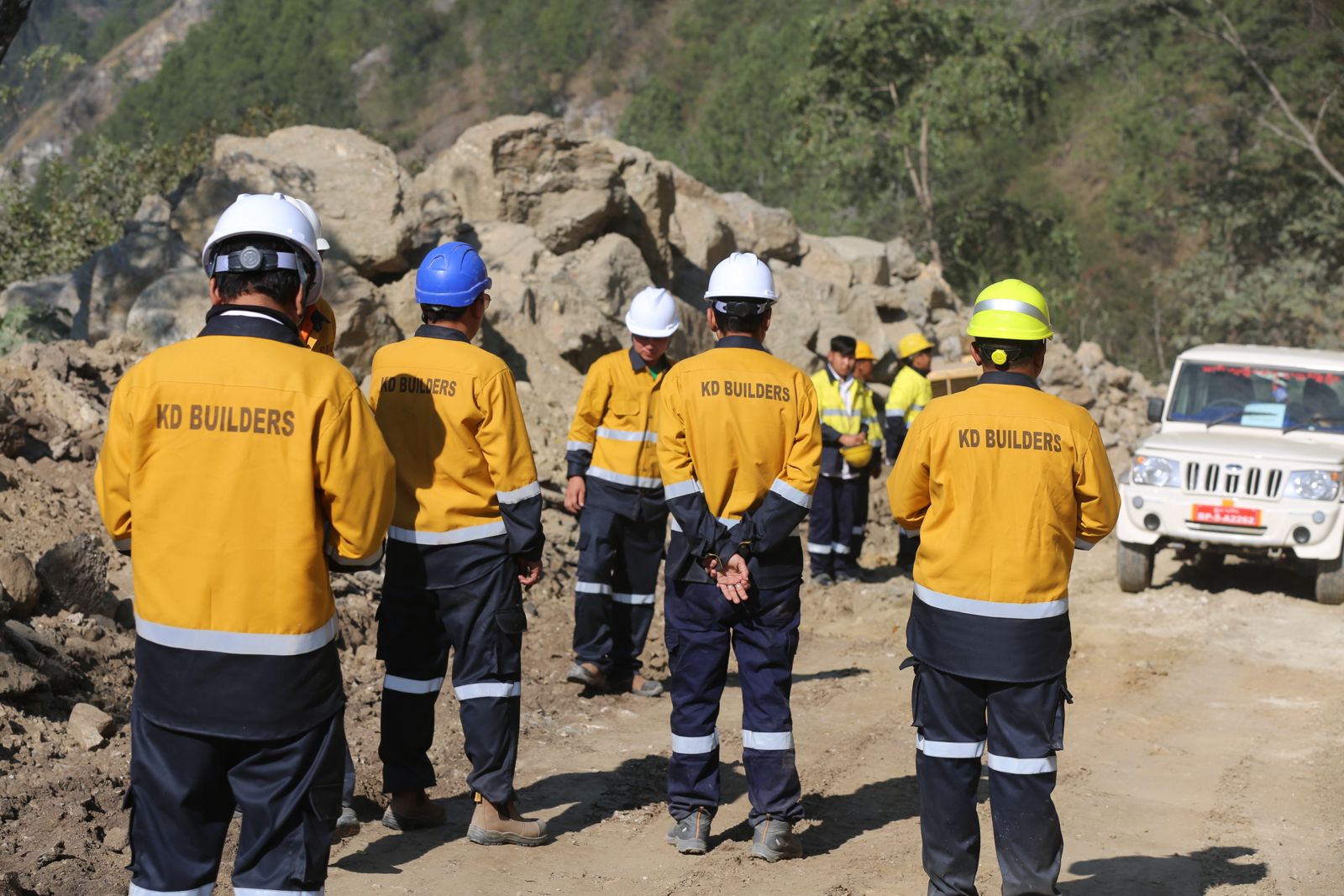
The bifurcating section of the realigned national highway involves constructing a new alignment to improve traffic flow, connectivity, and road safety. The works include earthworks, pavement construction, slope stabilization, retaining structures, drainage, and utility coordination. Upon completion, the highway will enhance regional connectivity, reduce travel time, improve safety, and support socio-economic development while adhering to environmental and safety standards.
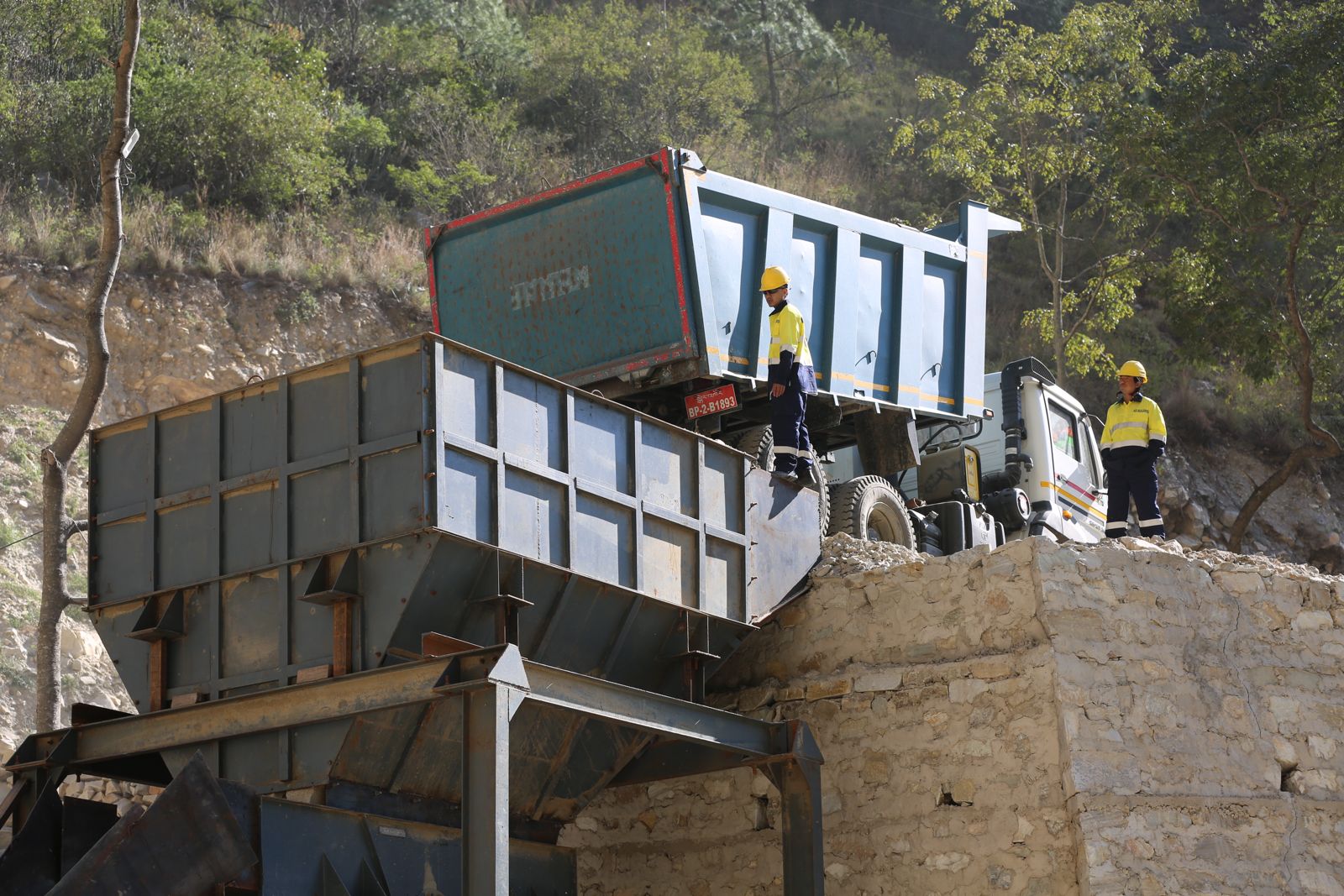
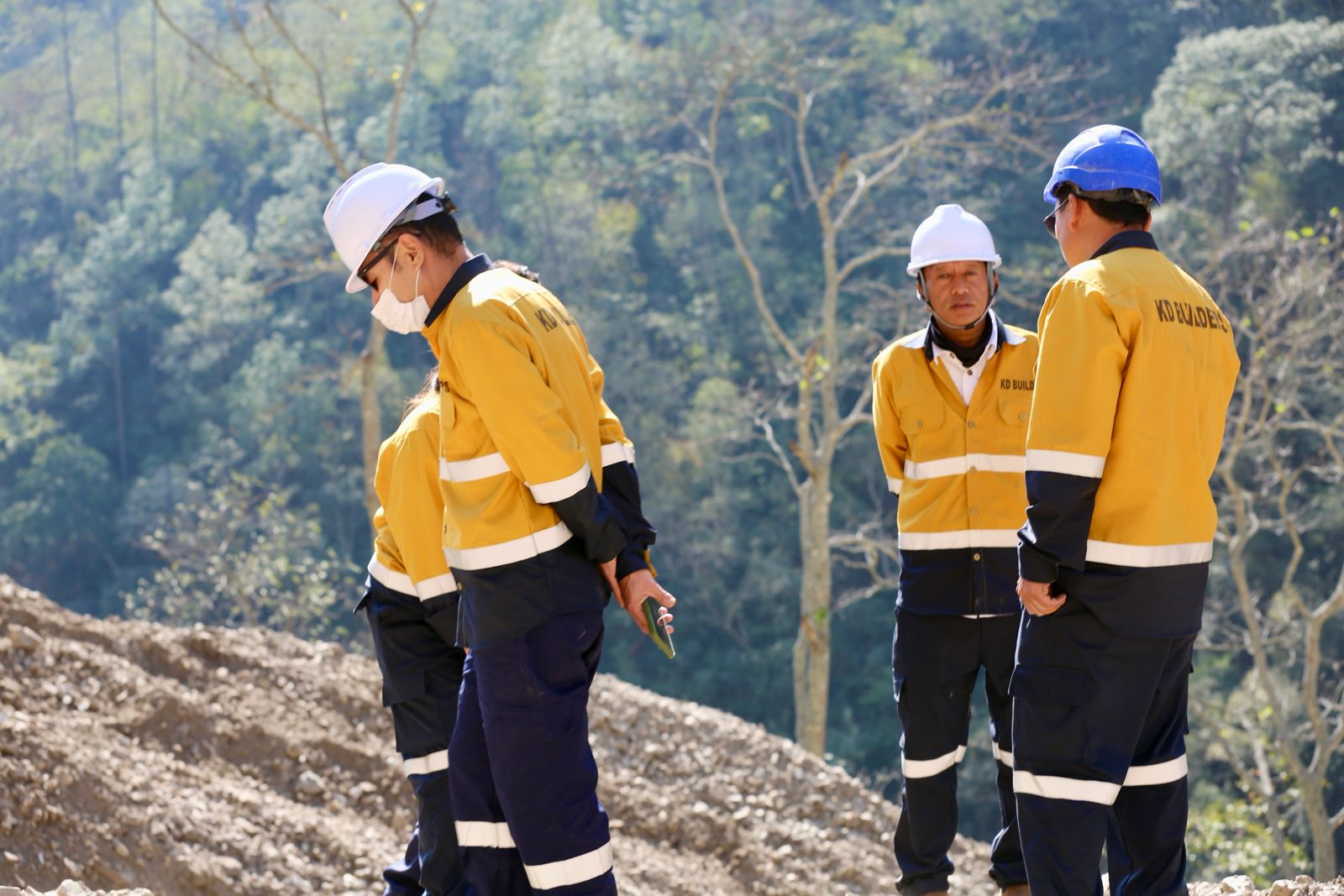
The construction of the bifurcating section of the realigned national highway faces challenges such as steep terrain, weak subgrade, and areas prone to landslides or erosion, requiring extensive earthworks, slope stabilization, and retaining structures. Adverse weather, particularly heavy rainfall, can delay construction and compromise pavement quality. Limited access to construction materials, logistical constraints, and coordination with utilities may impact timelines. Ensuring traffic management, worker safety, and minimizing environmental and social impacts are critical challenges.
Challenges can be mitigated through detailed site investigation, proper road alignment design, and slope stabilization measures. Construction should be scheduled around favorable weather, with timely procurement of quality materials and efficient logistics. Traffic management, utility coordination, and strict environmental protection measures—such as dust, noise, and erosion control—will reduce disruptions. Continuous supervision, monitoring, and quality assurance will ensure safe, durable, and timely completion of the bifurcating highway section.
Provides a safe, long-lasting highway surface.
Ensures safety and durability in challenging terrain.
Minimizes disruption during construction.
Implements dust, noise, and erosion control measures.